As weather events accelerate, the frequency and severity of wildfires are increasing, posing significant threats to communities worldwide. In this evolving landscape, constructing fire-safe homes is not just a precautionary measure but a necessity for future resilience. Integrating fire-resistant designs and materials into residential construction can safeguard lives, protect property, and contribute to environmental sustainability.
The Growing Threat of Wildfires
Recent studies indicate that over 115 million Americans—more than a third of the U.S. population—are at risk from wildfires, including urban and suburban communities previously considered safe. Climate change has intensified extreme weather conditions, leading to prolonged droughts and extended fire seasons. These factors have expanded wildfire risks beyond traditional forested areas into cities and towns, making fire safety a critical concern for all homeowners.
Benefits of Fire-Resistant Home Construction
Incorporating fire-resistant features into home construction offers numerous advantages:
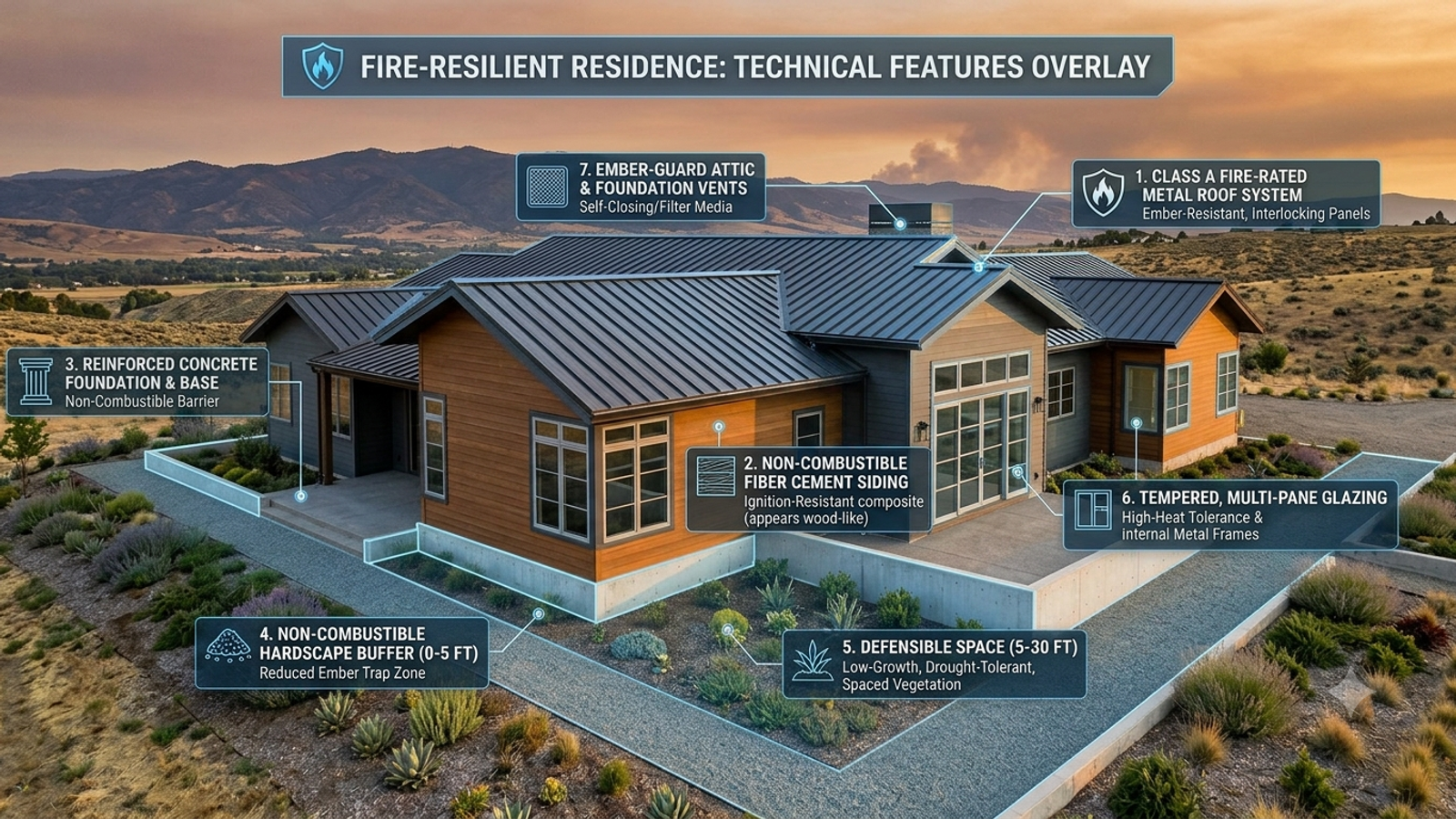
- Enhanced Protection: Utilizing fire-resistant materials and designs significantly reduces the risk of fire damage, safeguarding occupants and property.
- Economic Savings: Homes built with fire-resistant features may benefit from lower insurance premiums, as insurers recognize the reduced risk.
- Environmental Conservation: Fire-resistant landscapes and sustainable construction methods help preserve ecosystems and reduce carbon emissions associated with rebuilding after fires.
Challenges in Implementing Fire-Resistant Designs
Despite the clear benefits, several challenges hinder the widespread adoption of fire-resistant construction:
- Higher Initial Costs: Fire-resistant materials and construction techniques can increase upfront expenses, posing financial challenges for some homeowners.
- Material Availability: Some fire-resistant materials may be harder to source in certain regions, potentially leading to delays or increased costs.
- Regulatory Hurdles: Building codes and regulations may not uniformly mandate fire-resistant designs, leading to inconsistencies in implementation.
The Role of Community Collaboration
Addressing wildfire risks effectively requires a collective approach:
- Community-Wide Mitigation Efforts: Collaborative initiatives, such as creating defensible spaces and community-wide firebreaks, can significantly reduce wildfire risks.
- Education and Awareness: Informing residents about fire risks and prevention strategies fosters a culture of preparedness and proactive risk reduction.
- Policy Advocacy: Advocating for updated building codes and land-use policies that prioritize fire safety can lead to broader systemic changes.
Technological Innovations in Fire Safety
Advancements in technology offer promising solutions for enhancing fire resilience:
- Predictive Modeling: Artificial intelligence models, like the Probability of Fire (PoF), improve wildfire prediction accuracy, aiding in preparedness and response.
- Fire-Resistant Materials: Innovations such as cold formed steel structures provide enhanced protection for structures during wildfires.
- Smart Home Systems: Integrating smart technologies can offer real-time monitoring and alerts, improving response times during fire incidents.
Conclusion
The imperative to construct fire-safe homes has never been more pressing. By embracing fire-resistant designs, materials, and community collaboration, we can build resilient communities capable of withstanding the growing threat of wildfires. Investing in fire-safe construction not only protects lives and property but also contributes to environmental conservation and economic stability. As we confront the realities of climate change, prioritizing fire safety in our homes and communities is essential for a sustainable and secure future.
Plan Your Next Step
Keep exploring Metricon Homes resources
Move from research to action with the service pages, models, and planning resources most relevant to this article.